
Cleft Lip and Palate Surgery in Bengaluru
Complete, compassionate cleft care from antenatal diagnosis through to adulthood, delivered under one roof by cleft surgeon Dr Dipesh Rao with a full multidisciplinary team.
Book a Consultation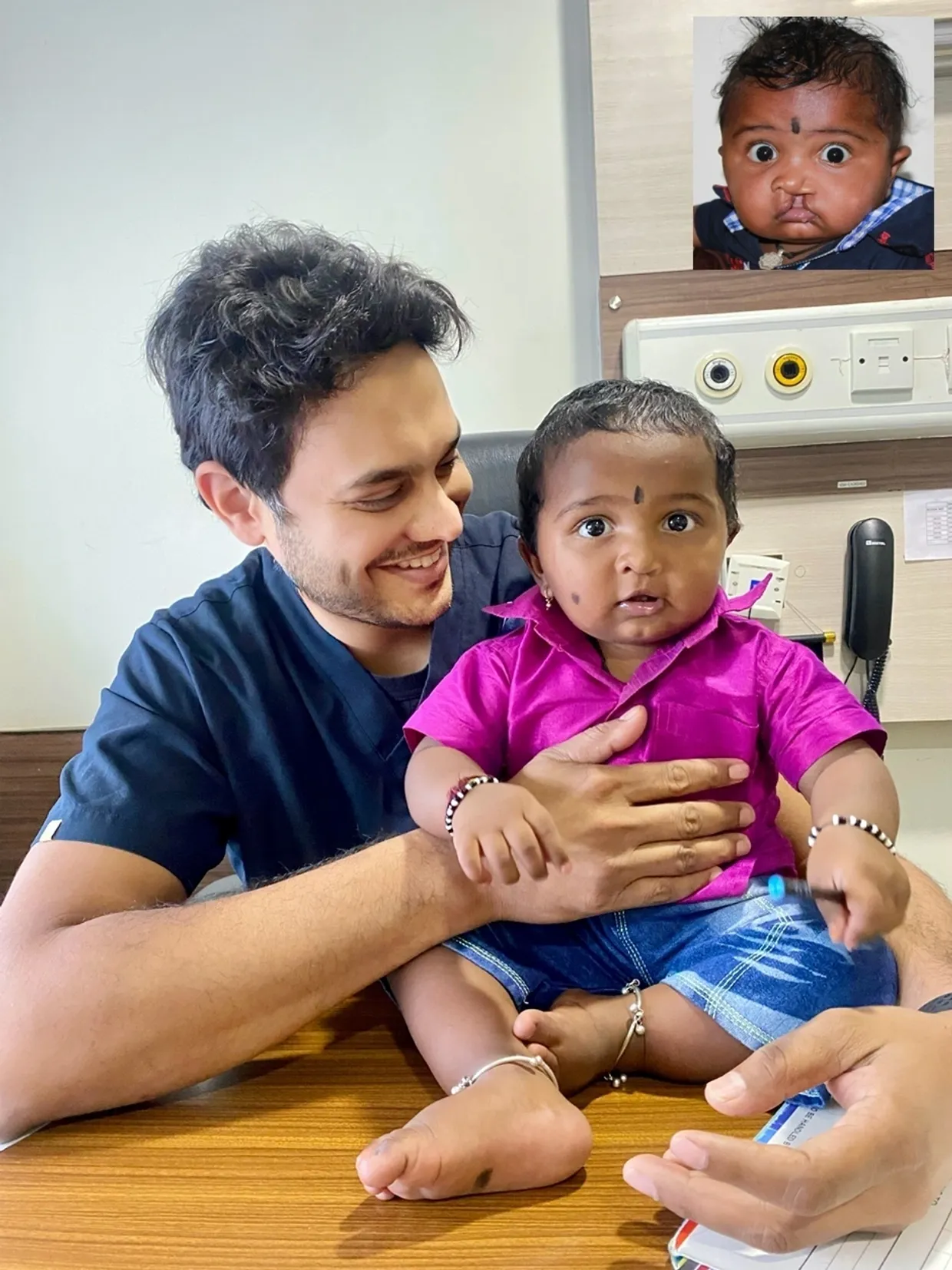
Understanding Cleft Lip and Palate
Cleft lip and palate is a birth anomaly in which about 1 in 700 children is born with a gap in the upper lip, the roof of the mouth, or both. The cause is multifactorial, and while it is linked to several risk factors, the exact cause is difficult to identify. A cleft can present a range of challenges, all of which can be managed well with timely, coordinated care.
Feeding difficulties
The gap in the lip or palate can affect suction and swallowing, so some babies struggle to breastfeed or bottle-feed. The right feeding techniques and support help the child grow steadily before surgery.
Speech difficulties
A cleft can affect articulation, resonance and clarity, sometimes causing speech delay or a nasal-sounding voice. Timely palate repair and speech therapy give speech the best chance to develop.
Dental problems
The development and alignment of teeth can be affected, leading to crowding, missing teeth or a misaligned bite. Dental care and orthodontic treatment address these over time.
Ear infections and hearing
Children with a cleft palate have a higher risk of middle ear infections and hearing changes because of Eustachian tube function. This is monitored and treated as part of the care plan.
Facial appearance and wellbeing
Visible differences can affect self-esteem and social confidence. Careful surgery and ongoing support help the child thrive without stigma.
Nasal shape and breathing
A cleft lip can change the shape and function of the nose. Repair often includes reshaping to improve nasal symmetry and airflow.
The Conditions We Treat
Each cleft is different. Understanding the type helps plan the right sequence of care.
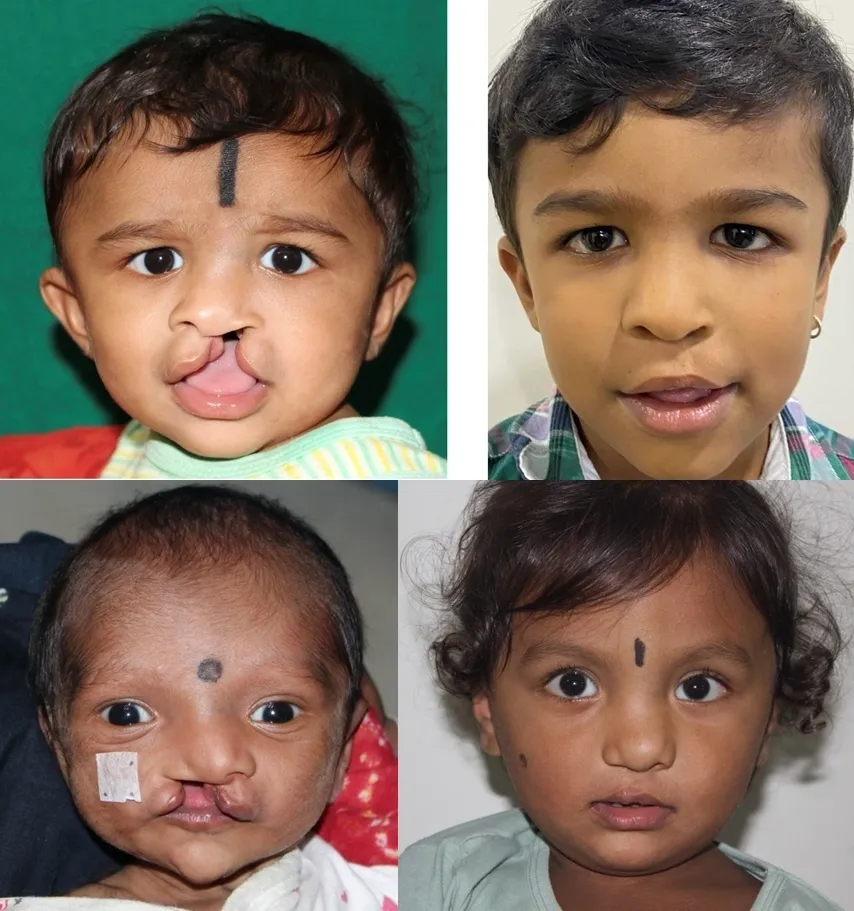
Unilateral Cleft Lip
Unilateral cleft lip is a condition where one side of the lip has a gap, which can be either complete or incomplete. In a complete unilateral cleft lip the gap involves the entire lip and the base of the nose, while in the incomplete form it affects only the lip. This condition also causes the nose to deviate and the nostril on the affected side to slump down. It can affect feeding, speech development, dental alignment and facial appearance. While the first surgery aims to correct the lip and the nose, additional revisions may be necessary to achieve a near-normal appearance.
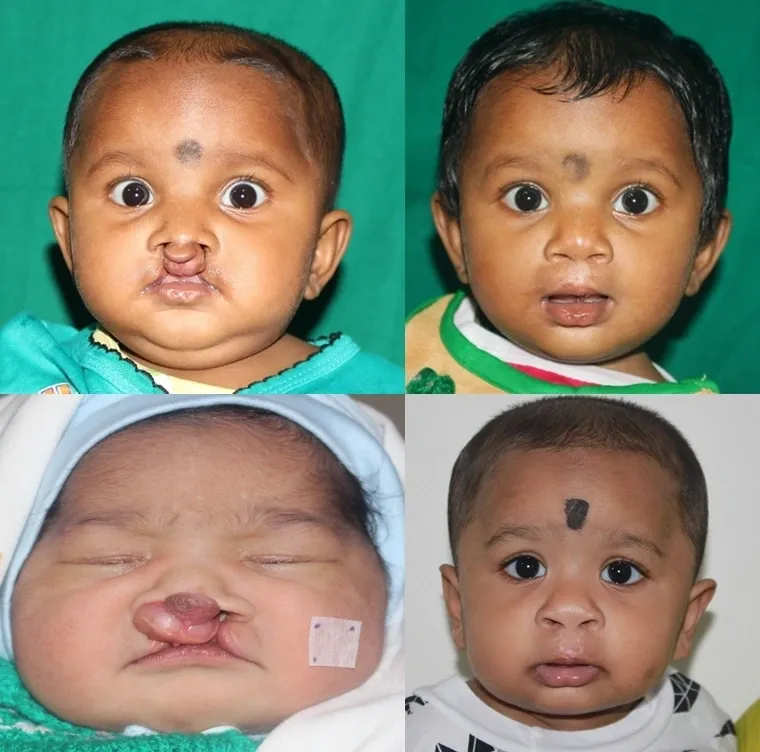
Bilateral Cleft Lip
Bilateral cleft lip is a condition with a gap on both sides of the upper lip. The central part of the lip consists of a portion of the upper lip and the front bone of the upper jaw, and this segment may protrude or deviate. Individuals with a bilateral cleft lip may experience challenges with feeding, speech development, dental alignment and facial appearance. Early intervention with an orthodontic device can help align the central portion better, which in turn helps the future surgery. It is recommended to have a consultation as soon as possible to understand the condition and to be introduced to the other team members who will help improve the child's outcome.
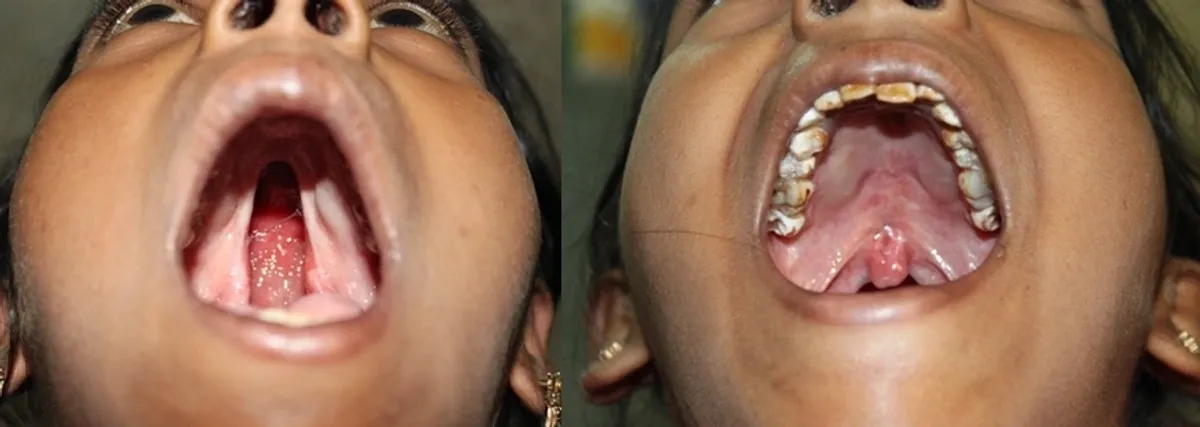
Cleft Palate
Cleft palate is a condition with a gap in the roof of the mouth, which creates a connection between the mouth and the nose. Children born with a cleft palate face difficulty feeding due to the constant leakage of fluids from the mouth into the nose, though feeding strategies and appropriate techniques help parents feed their child effectively. It can also lead to challenges with speech development, dental alignment and ear infections. Early consultation is recommended so the child's growth in the first weeks to months is not delayed, because faulty feeding can put the child at risk of delayed growth and development.
Cleft palate surgery is critical not only to close the communication between the mouth and the nose, but also for speech. The soft palate is essential for speech because its movement prevents air from the voice box entering the nasal passages while speaking. A larger passage behind the soft palate can cause a nasal twang, known as velopharyngeal dysfunction, which makes speech difficult to understand. In a small percentage of cases, additional surgery may be required after a thorough assessment by a speech therapist, performed following evidence-based algorithms to give the optimal outcome for the child.
Cleft Alveolus
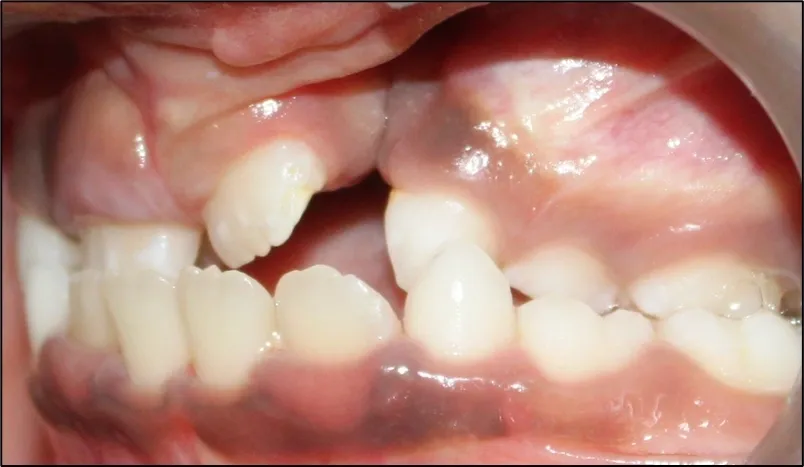
Cleft alveolus is a condition where there is a gap in the teeth-bearing part of the jaw. Usually a tooth, the lateral incisor, is missing on the side of the cleft. Having bone in the tooth-bearing area is essential for good arch continuity, the health of the neighbouring teeth, and especially for the eruption of the canine. A cleft alveolus can cause a visible gap or notch in the gum line, sometimes with missing or displaced teeth, and can affect the alignment and stability of the adjacent teeth as well as the overall structure and function of the upper jaw.
The timing of the canine erupting into the mouth is determined by the root of the tooth. The ideal time to fill the gap and provide the right environment for the canine to erupt is when the root is about two-thirds of its length, usually between the ages of 9 and 11 years. To fill the gap, bone is taken through a small incision on the hip and the soft bone is scooped out. The bone in this region usually grows back, leaving no lasting concern at the donor site.
Maxillary Hypoplasia
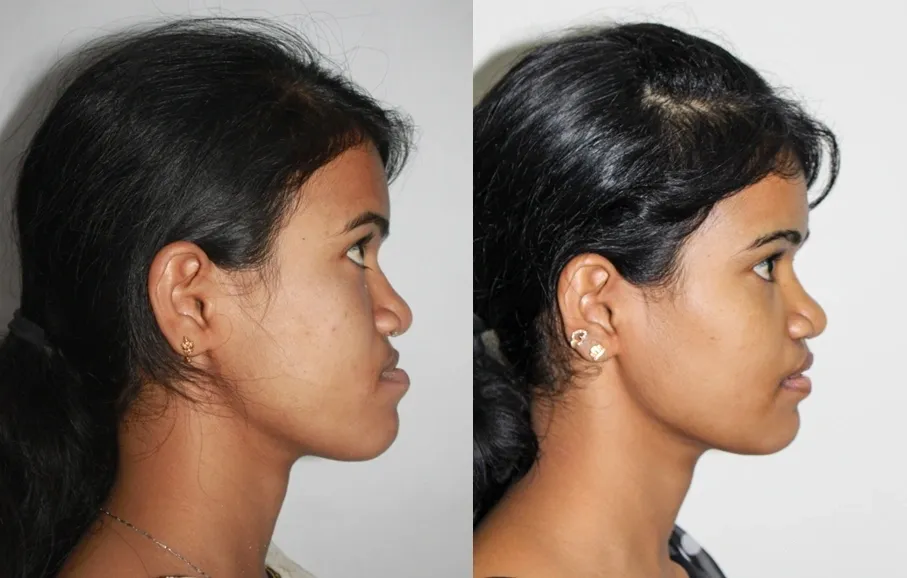
Maxillary hypoplasia means the upper jaw is placed too far back compared with the lower jaw. It is identified by the upper teeth sitting inside the lower teeth, and the face appears dished in or hollow under the eyes and around the nose. The consequences vary with severity: severe cases can cause significant facial asymmetry, dental crowding, malocclusion (misalignment of the teeth) and breathing difficulty. Jaw surgery repositions the upper jaw, and in some instances the lower jaw, to improve facial balance, and the use of virtual surgical planning software improves accuracy and outcomes.
In individuals with a cleft palate, an assessment of speech is also imperative to establish the speech baseline. In a very small number of cases there is a risk of a change in resonance after jaw surgery despite the improved articulation that may occur. This is why a combined evaluation with a speech pathologist is essential in people with a cleft undergoing jaw surgery.
Secondary Speech Correction
When speech after palate repair is suboptimal, the speech pathologist identifies the cause of velopharyngeal dysfunction and recommends the right treatment. Palate surgery usually combines palate lengthening and muscle repositioning, and the benefit is appreciated over roughly six to twelve months of therapy.
The Cleft Care Timeline
Cleft treatment is a journey, not a single operation. The stages below are typical and are tailored to each child.
Nasoalveolar moulding (NAM). A custom plate gently reshapes the gums, lip and nostril to make the first surgery easier and the result better.
Cleft lip repair. The gap in the upper lip is closed and the nose is balanced.
Cleft palate repair. The opening in the roof of the mouth is closed to support speech and feeding.
Speech assessment and surgery if needed. If air escapes through the nose during speech (velopharyngeal dysfunction), a further procedure can help.
Alveolar bone grafting. Bone is added to the gum ridge to support the teeth and the eruption of the canine.
Orthodontics, jaw surgery and cleft rhinoplasty. If the upper jaw is set back, orthognathic surgery and nose refinement complete the result once growth is finished.
India's First Cleft Leadership Centre at BMJH
Bhagwan Mahaveer Jain Hospital in Bangalore is a Cleft Leadership Centre with the largest multidisciplinary cleft team in the country. With nearly two decades of experience, this centre of excellence has trained over 25 cleft surgeons from around the world.
A True Multidisciplinary Team
Good cleft outcomes depend on more than surgery. Dr Rao works within a team of speech and language pathologists, orthodontists, paediatricians, ENT specialists and dietitians so that feeding, speech, hearing, teeth and facial growth are all cared for together. This coordinated approach, delivered under one roof, means fewer gaps in care and better long-term results for the child and family.
Why Choose Dr Dipesh Rao
Dr Dipesh Rao is an oral and maxillofacial surgeon in Bengaluru with a dedicated fellowship in cleft lip and palate surgery, and further training at the Royal Children's Hospital Melbourne and the Oxford Craniofacial Unit. He practises at the Smile Train Leadership Centre at Bhagwan Mahaveer Jain Hospital, a dedicated cleft and craniofacial centre, and cares for children from antenatal diagnosis right through to adulthood. He is dual-qualified in dentistry and medicine and consults in English, Hindi and Kannada.
Frequently Asked Questions
What is cleft lip and palate surgery?
Cleft lip and palate surgery is a series of planned operations that close a gap in the upper lip and the roof of the mouth present from birth. It restores feeding, speech, hearing and facial appearance, and is carried out in stages from infancy to adulthood with a multidisciplinary team.
What causes cleft lip and palate?
A cleft forms when the tissues of the lip or palate do not join fully in early pregnancy. The cause is multifactorial and usually a combination of genetic and environmental factors. No parent is at fault, and around one in 700 babies is born with a cleft.
When is a cleft diagnosed?
A cleft lip can often be seen on a prenatal ultrasound from around 13 to 14 weeks of pregnancy. A cleft palate is harder to see before birth and is usually confirmed on examination immediately after the baby is born.
What is the difference between unilateral and bilateral cleft lip?
A unilateral cleft lip is a gap on one side of the lip, which may be complete or incomplete. A bilateral cleft lip has a gap on both sides, with a central segment that can protrude and often benefits from an orthodontic device before surgery.
At what age is cleft lip repair done?
Cleft lip repair is usually performed between 3 and 6 months of age, once the baby is feeding and growing well. A nasoalveolar moulding plate may be used beforehand to improve the result.
At what age is cleft palate repair done?
Cleft palate repair is generally carried out between 9 and 18 months of age. This timing helps close the palate before the main period of speech development so that speech has the best chance to develop normally.
What is cleft alveolus bone grafting and when is it done?
Cleft alveolus grafting adds bone to a gap in the tooth-bearing jaw so the dental arch is continuous and the canine can erupt. It is usually done between 9 and 11 years, when the canine root is about two-thirds formed, using bone taken from a small incision on the hip.
What is maxillary hypoplasia and how is it treated?
Maxillary hypoplasia is when the upper jaw sits too far back, so the upper teeth bite inside the lower teeth and the midface looks dished. It is treated with orthognathic jaw surgery, planned with virtual surgical planning, alongside a speech assessment because jaw movement can affect resonance.
Will my child's speech be normal after surgery?
Most children develop clear speech after timely palate repair and speech therapy. If air escapes through the nose (velopharyngeal dysfunction), a further small operation combining palate lengthening and muscle repositioning can help, with benefit seen over six to twelve months of therapy.
How is feeding managed before surgery?
Babies with a cleft can usually feed with support such as special bottles or teats and guidance from the team. Good feeding and steady weight gain are important before the first surgery, and the team helps parents from the start.
How many surgeries will my child need?
It varies with the type and severity of the cleft. Most children need lip and palate repair in infancy, and some later need bone grafting, speech surgery, jaw surgery or nose refinement. The full plan is tailored to each child across childhood and the teenage years.
How much does cleft surgery cost in Bengaluru?
The cost depends on the procedure, the hospital and the stage of care, so it is best confirmed at consultation. Many children are also supported through the Smile Train programme. Dr Rao's team will explain the options and give a clear estimate for your child's plan.
Who should perform cleft lip and palate surgery?
It should be performed by a surgeon with specific cleft training working within a multidisciplinary team. Dr Dipesh Rao holds a dedicated cleft fellowship, trained in Melbourne and Oxford, and practises at a Smile Train Leadership Centre in Bengaluru.
Can I choose private-room care for my child?
Yes. Dr Rao treats private patients in private rooms at Bhagwan Mahaveer Jain Hospital, with the same standard of comfort and hygiene you would expect from a private hospital. Because the unit also manages a very high volume of complex cleft and craniofacial cases, families benefit from refined surgical skill and a complete multidisciplinary team under one roof.
Speak With a Cleft Specialist in Bengaluru
Whether you have an antenatal diagnosis or an older child needing further care, Dr Dipesh Rao can help.
WhatsApp +91 99013 02211